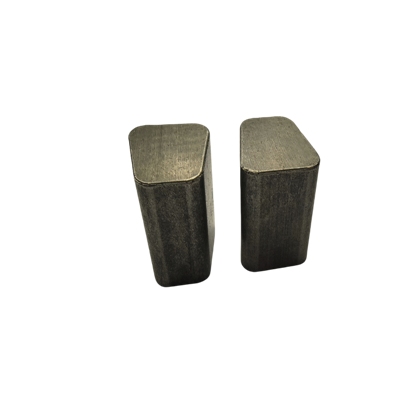
Neodymium and other rare earth elements enable motors with high power and high torque density. Fortunately, these vital ingredients are not as rare as their names might suggest. In order to meet the ever-increasing demand in the future, scientists have started researching new recycling methods.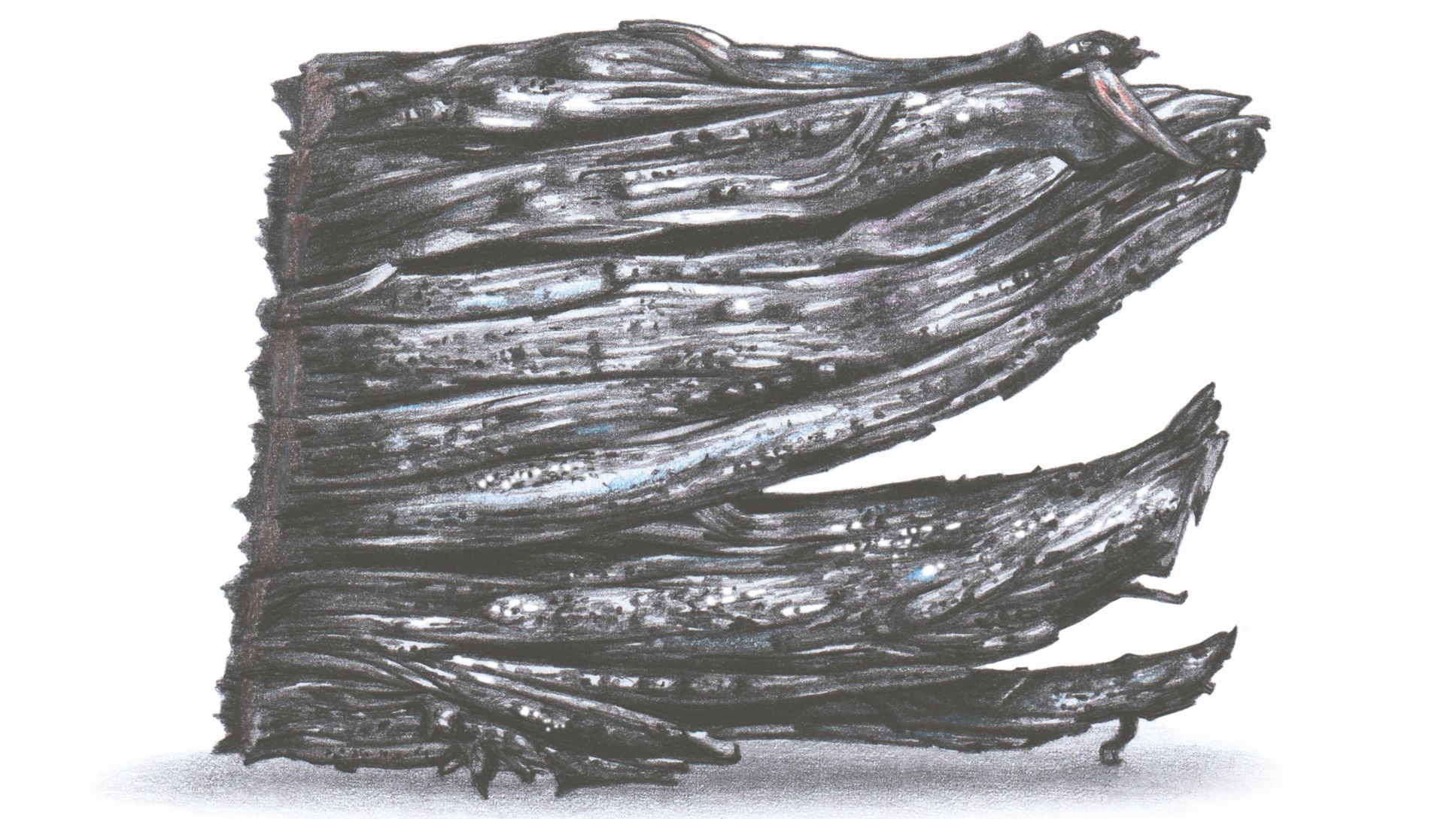
As long as it comes to electric vehicles, the keyword "rare earth" will appear soon. To chemists, "rare earth" means one of the 17 "rare earth metals" on the periodic table, such as lanthanum, praseodymium, neodymium, terbium, dysprosium, and lutetium. Some of them play an important role in the motors and batteries of electric vehicles. For example, in the magnets of traction motors, in addition to iron, it also contains about 30% rare earth metals. The rare earth metals here are mainly neodymium, but also dysprosium and terbium. Their advantage: Even magnets with extremely small dimensions can generate powerful magnetic fields, which are very beneficial for electric drive systems.
"Thanks to the rare earth metals in the magnets, permanent magnet synchronous motors can achieve extremely high power and torque densities, thereby increasing the efficiency of the entire drive system." Raphael Piotuch, project engineer for electric motors at Porsche Engineering Dr. Rafal Piotuch (Dr. Rafal Piotuch) explained, "Other magnet materials, such as ferrite, do not require the use of rare earths, but they will lead to a lack of weight and installation space in the motor." Some electric vehicles use asynchronous motors to Replace permanent magnet synchronous motor. However, neither can achieve the high power density and performance of motors using rare-earth metal magnets. For this reason, especially in sports cars, neodymium, dysprosium and terbium will probably not be replaced so soon.
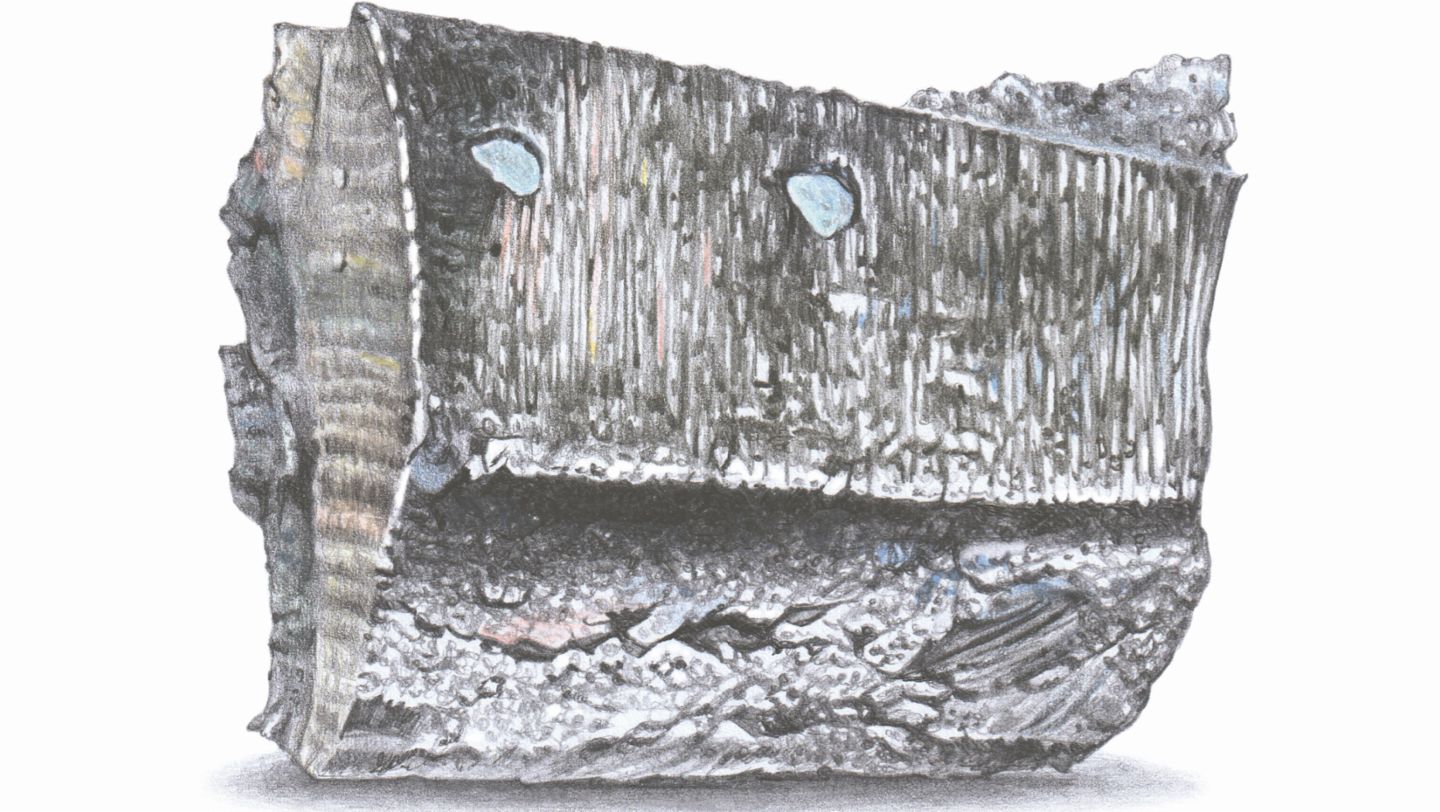
The question remains: are rare earths really rare? No, they're not rare, and some rare earths are even more abundant on Earth than lead; in 2021, nearly 280,000 tons of rare earth oxides were produced globally. "However, mining rare earths is very labor-intensive," explains Matthias Böger, project engineer specialized in electric motor computing at Porsche Engineering. "Rare earths are extracted from ores in a complex process. The rare earth oxides are separated from the ore, which is then converted into pure metals."
Furthermore: the distribution of mineral deposits in the world is not uniform, and a few countries have mastered a large part of the mineral deposits. The future market demand for rare earths may increase sharply. It is estimated that by 2040, the global demand for traction motors alone will increase to 20 times the 2018 demand. In addition, wind power generators also need these raw materials, and the demand in this field is expected to increase by 4 times during the same period. In order to ensure long-term stable supply, intensive research is currently underway on recycling methods for neodymium and other rare earths.
Copyright Information
The original article was originally published in issue 1 2023 of the Porsche Engineering magazine "Porsche Engineering"
Text: Christian Buck
Photo: Oriana Fenwick
Copyright: All images, videos and audio files published in this article are subject to copyright. Reproduction in whole or in part is not permitted without the written consent of Dr. Ing. h.c. F. Porsche AG. Please contact newsroom@porsche.com for further information.