Can the magnet be shipped by air?
1. Why do some air cargo need magnetic inspection?
Since the weak stray magnetic field interferes with the aircraft's navigation system and control signals, the International Air Transport Association (IATA) lists magnetic cargo as Class 9 dangerous goods, which must be restricted during acceptance.
Therefore, some air cargo with magnetic substances needs to be tested magnetically in order to ensure the normal flight of the aircraft.
2. What are the technical requirements for magnetic detection of air cargo?
According to the relevant provisions of IATA DGR:
For any substance packaged for air transport, if the maximum magnetic field strength at 2.1m (7ft) from any point on the outer surface of the package is lower than 0.159A/m (200nT), the article is not restricted as a magnetic substance and can be used as an ordinary magnetic substance. Cargo delivery.
3. Is magnetic detection just degaussing?
Magnetic detection is only to detect the magnetism of the goods at a certain distance instead of eliminating the magnetism of the goods.
4. Is it necessary to unpack the goods for magnetic detection?
During the magnetic detection, the customer needs to pack the goods according to the air freight requirements, and the detection will not damage the packaging of the goods. In principle, the inspection process does not open the box of the goods, but only detects the stray magnetic field on the 6 sides of each goods.
5. What should I do if the goods fail to pass the inspection?
If the magnetic detection of the goods fails, the testing party needs to provide technical services, and the staff will unpack the goods to check the goods under the entrustment of the customer, and then put forward relevant reasonable suggestions according to the specific situation. If the shielding can meet the requirements of air transportation, the goods can be shielded according to the customer's entrustment, and relevant fees will be charged.
6. Will the shielding provided have an impact on product performance?
A: The shielding provided by the testing company does not eliminate the magnetism of the goods whose magnetic field exceeds the standard, and has little impact on the performance of the product, but the specific operation will be communicated with the customer to avoid loss to the customer. Customers with conditions can also take back the goods and process them by themselves before sending them for inspection.
7. If shielding does not work, is there any way to export the goods?
According to IATA DGR Packing Instruction 902: If the maximum magnetic field strength at 2.1m (7ft) from the surface of the measured object exceeds 0.159A/m (200nT), but any magnetic field strength at 4.6m (15ft) from the surface of the measured object is less than 0.418 A/m (525nT), the goods can be accepted as dangerous goods. If this requirement cannot be met, then the item cannot be shipped by air, and you can entrust the goods to be shipped by sea.
8. Goods requiring magnetic inspection
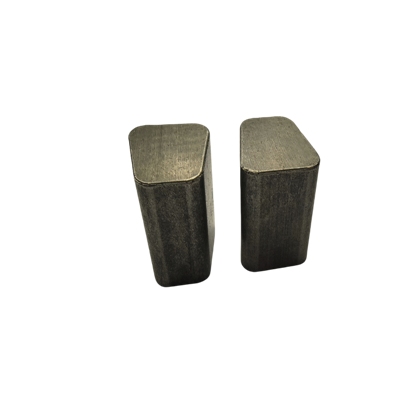
Common goods need to be magnetically inspected: magnets, magnetic blocks, magnetic strips and other products made of magnetic materials. For example, common stereos, microphones, etc. that contain motors or are magnetic require magnetic inspection.
1) Magnetic material
Magnets, magnets, magnetic steel, magnetic nails, magnetic heads, magnetic strips, magnetic sheets, magnetic blocks, NdFeB, ferrite cores, AlNiCo, electromagnets, magnetic fluid seals, ferrite, oil cut-off electromagnetics Iron, rare earth permanent magnets (motor rotor).
2) Audio equipment
Speakers, Horns, Horn Speakers/Speakers, Multimedia Speakers, Stereos, CDs, Radio Recorders, Mini Audio Combos, Speaker Accessories, Microphones, Car Horns, Microphones, Receivers, Buzzers, Mufflers, Projectors, VCDs, DVDs.
3) other
Hair dryers, TV sets, mobile phones, motors, motor accessories, toy magnets, magnetic toy parts, magnet processed products, magnetic health pillows, magnetic health care products, compass, car air pumps, drives, reducers, rotating parts, inductor components , magnetic coil sensors, electric gears, servomotors, multimeters, magnetrons, computers and accessories